
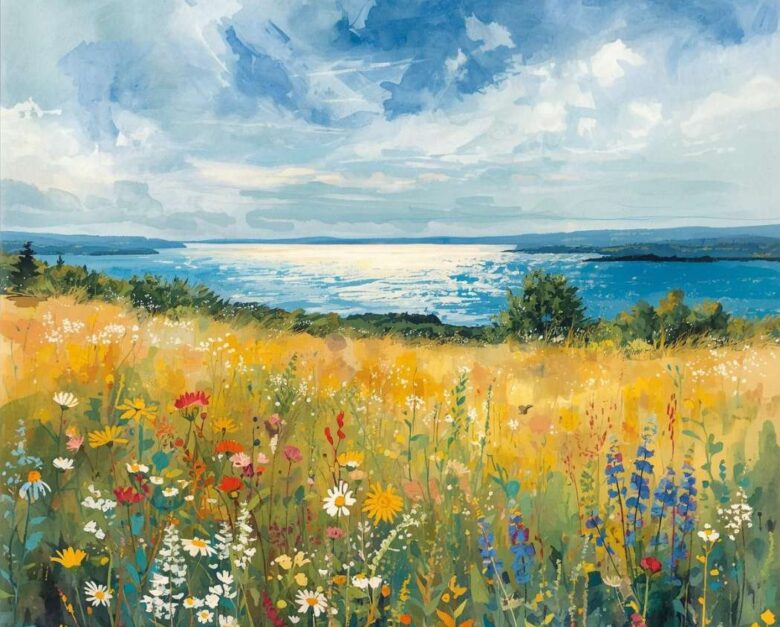
Österlen in southeastern Sweden has become one of the country’s most fascinating places for art lovers. The region is known for its open landscapes, soft light and small coastal villages, and over the years it has attracted painters, sculptors, photographers and craftspeople who want to live and create close to nature. The result is a cultural landscape where art is not confined to museums but woven into everyday life.
A landscape that inspires artists
One reason so many artists have settled in Österlen is the landscape itself. Rolling fields meet the Baltic Sea, small forests alternate with wide beaches and the light shifts constantly throughout the day. Many artists say the quality of the light reminds them of famous art regions in southern Europe.
The natural surroundings encourage slow observation. Fields of rapeseed turn bright yellow in spring, apple orchards bloom in early summer and the coastline changes character with the seasons. These variations have inspired generations of painters who try to capture the colors and atmosphere of the region.
Small galleries and open studios
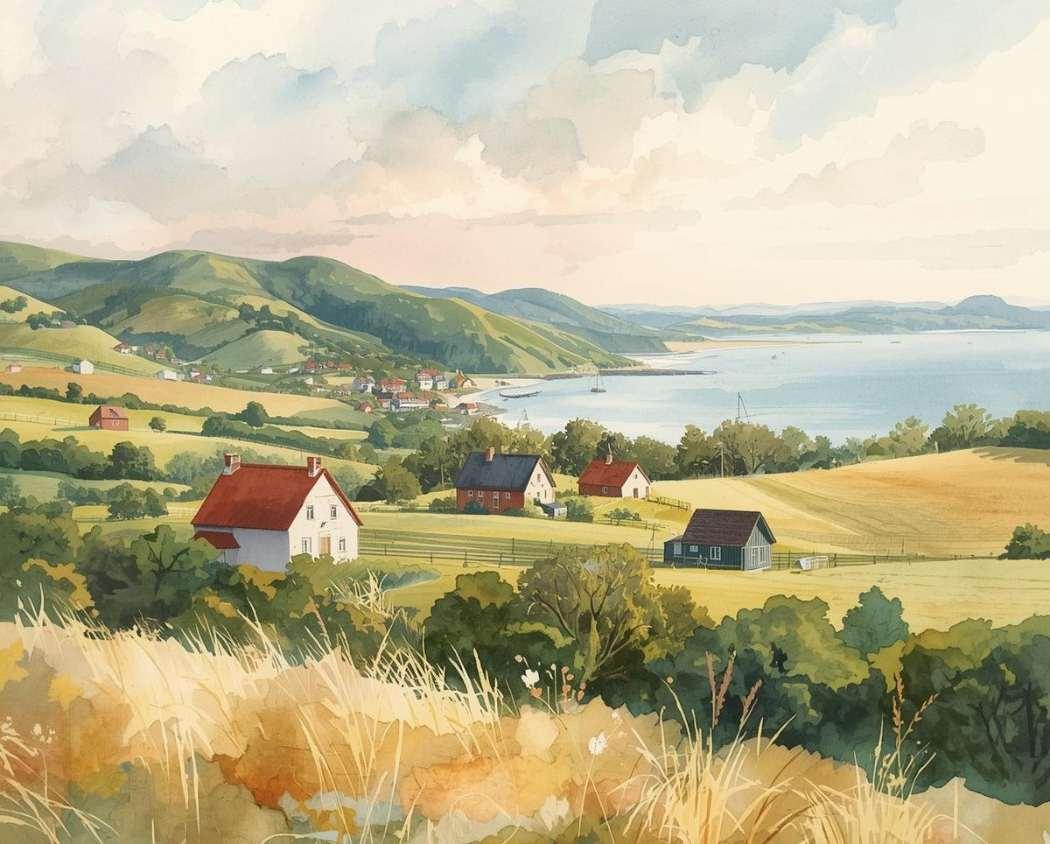
Unlike large cities where art is concentrated in major institutions, Österlen is full of small galleries, workshops and studios. Visitors can move between villages and discover art in unexpected places such as converted barns, old farmhouses or small seaside buildings.
Many artists open their studios to visitors during the warmer months. This gives people the chance not only to see finished works but also to talk with the artists themselves and understand how their ideas develop. The experience becomes personal and direct in a way that traditional museums rarely allow.
The tradition of the Easter art tour
One of the most famous cultural events in the region is the Easter art tour. During the Easter weekend hundreds of artists open their homes and studios to the public. Visitors travel between locations across the countryside, following maps that guide them to exhibitions and workshops.
The event has grown into a unique tradition where art and rural life merge. Families drive between villages, stop for coffee in small cafés and discover new artists along the way. For many Swedes this has become a yearly ritual and an important moment in the country’s cultural calendar.
Art connected to everyday life
Art in Österlen often feels closely tied to daily life. Local ceramics, textiles, glass and sculpture are displayed not only in galleries but also in gardens, cafés and small shops. Many visitors find that art is part of the rhythm of the region rather than something separate from it.
This closeness between artists and visitors creates a relaxed atmosphere. You might meet a painter in a village bakery, see sculptures in an orchard or discover a photography exhibition in an old fishing harbor. The experience is less formal and more exploratory than in many traditional art destinations.
A quiet cultural destination
For travelers interested in art, Österlen offers something different from large museum cities. Instead of crowds and grand institutions, the region provides a slower and more intimate cultural experience. Visitors explore landscapes, meet artists and discover creative work in places where art and nature are deeply connected.
That combination of scenery, creativity and openness has made Österlen one of Sweden’s most distinctive art regions and a place where experiencing art becomes part of the journey itself.


